Better Late Than Liver: My Long-Overdue Descent into the Lecter Files (a Silence of the Lambs review)
It feels almost like a confession; to admit that I have lived twenty-nine years on this earth without ever having sat through the entirety of The Silence of the Lambs. For someone who lives and breathes the visceral, marrow-deep chills of the horror genre, this wasn't just a gap in my viewing history; it was a cavernous void.
Coming at this film with a background in criminal justice, the experience was less like watching a movie and more like a high-stakes clinical observation. It is rare to find a piece of cinema that respects the meticulous, grinding gears of procedural work while simultaneously plunging its hands into the wet, terrifying clay of the human psyche.
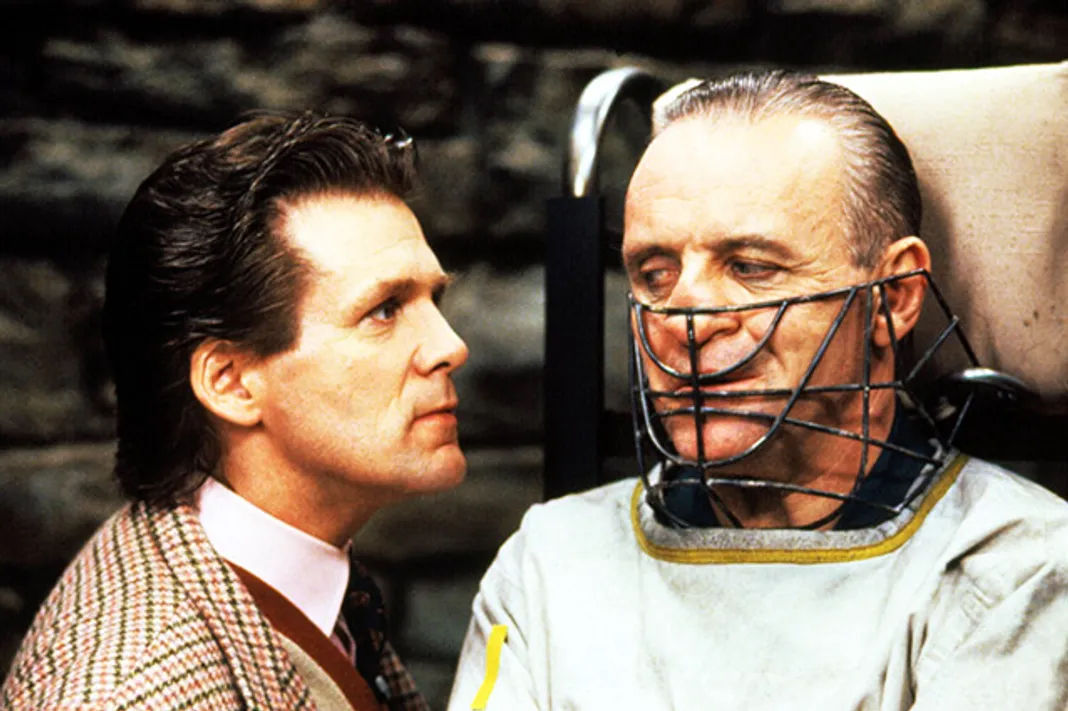
From the moment Clarice Starling enters the Baltimore State Hospital for the Criminally Insane, the atmosphere is suffocating. Director Jonathan Demme uses tight, claustrophobic close-ups that force you to look into the souls of his characters. When Hannibal Lecter stares into the camera, he isn’t just looking at Clarice; he is looking through the screen, performing an autopsy on the audience's nerves.
Anthony Hopkins delivers a performance that is nothing short of elegant predatory grace. He is the spider in the center of the web, yet he isn't even the primary threat. That distinction belongs to Jame Gumb, "Buffalo Bill," a character who embodies a different kind of horror; one born of profound, distorted identity and the gruesome lengths one will go to "become."
What struck me most and what spoke directly to my academic roots; was the film's dedication to the psychological profile. This isn't a "slasher" flick where the killer appears behind a bush; it is a film about the why and the how.
• The Behavioral Science Unit: The way the film depicts the early days of criminal profiling is fascinating. It captures the desperate, cerebral race to understand a killer’s "signature" before the next victim is claimed.
• The Transformation: The metaphor of the Acherontia styx (the Death's-head hawkmoth) is hauntingly beautiful. It represents a metamorphosis—the desire to shed a skin of pain for something "beautiful," no matter how many lives must be harvested to sew the garment.
The climax in the pitch-black basement of Buffalo Bill’s house is a masterclass in tension. The green-hued night vision POV isn't just a visual gimmick; it represents the ultimate vulnerability of the law-enforcement protagonist—being "seen" by the monster while remaining blind herself.
The Silence of the Lambs is a timeless exploration of the basement of the human soul. It is a film about the screaming of the lambs; the innocent things we couldn't save and the cold, hard brilliance required to finally make them stop.